

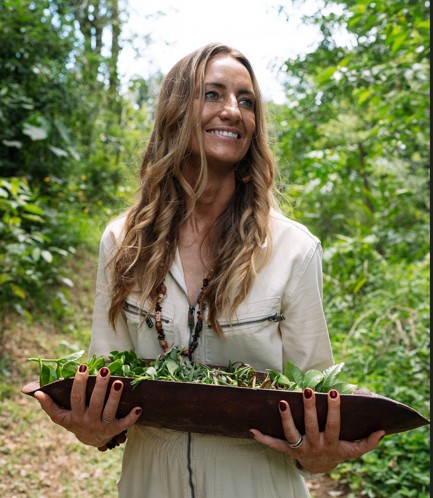
Native ingredients on the butcher’s counter
The butcher’s counter has always been where Australians decide what’s for dinner — and that makes it one of the most powerful places to shape how we eat.
Using native ingredients isn’t about trend-chasing or reinventing the wheel; it’s about adding depth, story and genuine point of difference to the meat you already sell.
As Mindy Woods, proud Bundjalung woman and one of Australia’s leading advocates for native food, sees it: when butchers embrace native flavours, they help bring the true foods of this country into everyday cooking. Native herbs, spices and seasonings pair naturally with red meat, elevate value‑add lines, and give customers something they can’t get off a supermarket shelf. More than that, they create a connection — to flavour, to place, and to a food culture that’s been here for tens of thousands of years.
Start with the spices
For butchers new to native ingredients, Mindy’s advice is to begin with native spices.
“Native spices are about four to five times as potent as the introduced spices we are familiar with,” she explains. “You can use a quarter of the amount and get the same aromatic and flavour profile. Not only are they economical, but they’re also connecting people to the true foods of this beautiful place we call Australia.”
Mindy says pepper berry and pepper leaf are obvious entry points: they can directly substitute for black and white pepper but are more aromatic and complex. And the myrtle family opens up a whole world from there. Lemon myrtle is already reasonably well known, but cinnamon myrtle (cinnamon and nutmeg notes, beautiful with lamb), and aniseed myrtle (a natural in slow braises) are worth exploring.
Native ingredients such as wattleseed, with its coffee, earthy, chocolate notes, work well with secondary cuts. Wattleseed also suits value-add products by adding texture as well as flavour in offerings such as sausages and burger blends.
Saltbush, available in around 60 varieties, has 20% less sodium than table salt.
“When you integrate saltbush into your value-add products – rissoles, mince, sausages –you’re adding protein and using a salt substitute that’s packed full of flavour.”
Compound butters are another low-effort add-on. A saltbush garlic butter to sell alongside premium cuts requires no special equipment and is the kind of thing that drives incremental spend at the counter.
Beyond herbs and spices, Mindy recommends butchers consider stocking paperbark as a retail product in its own right. Customers can use it on the barbecue in place of foil, wrapping proteins like rump cap to impart sweet, smoky, woody notes as they cook... and it’s biodegradable.
Tap into local knowledge
Working with native ingredients comes with a responsibility to engage thoughtfully.
“We’re not one culture; it’s not a monoculture when it comes to First Nations Australians,” Mindy says. She suggests butchers connect with their local Aboriginal Land Council to learn about the Traditional Owners in their area and find out what native foods are specific to that country.
“What grows on Bundjalung Country isn't necessarily what’s going to be growing down on Ngunnawal Country or up on Larrakia Country.”
Better still, she says, invite local mob into the shop.
“Bring them in for a cook-up. That’s when that real connection and relationship-building takes place. And you’re also introducing an opportunity for cultural tourism into your business.”
What’s coming
Looking ahead, Mindy is excited about native plums, particularly Davidson plum and Illawarra plum, as marinade bases for grilled meats.
“Because they’re quite acidic, they help to tenderise those secondary cuts of meat too. It’s a cheat’s way of making them more palatable, while introducing some native flavours.”
She says curry myrtle is another one to watch: eucalypt and smoky curry notes that work as a dry rub or thrown directly onto coals.
Her broader message to butchers is straightforward.
“Native foods are just like Thai cuisine was 30 years ago in Australia. It’s all about just being brave enough to taste them, to get a sense of them, and knowing how to easily substitute them in. The trick is to get excited and not overthink it.”
For Mindy Woods, the push to bring native ingredients into Australian kitchens isn’t about novelty — it’s about reconnection. From her early days cooking alongside family, to her MasterChef Australia finalist run in 2012, to running a Byron Bay restaurant and now hosting immersive food experiences on Country, her journey has always centred on culture, flavour and respect for place.
As a proud Bundjalung woman, she sees butchers as vital storytellers in that journey — trusted guides who can introduce native foods in a way that feels practical, delicious and accessible. “When native ingredients show up at the butcher’s counter,” Mindy says, “they stop being ‘different’ and start becoming normal.” And that, she believes, is how real change happens: one cut, one spice, one conversation at a time.