

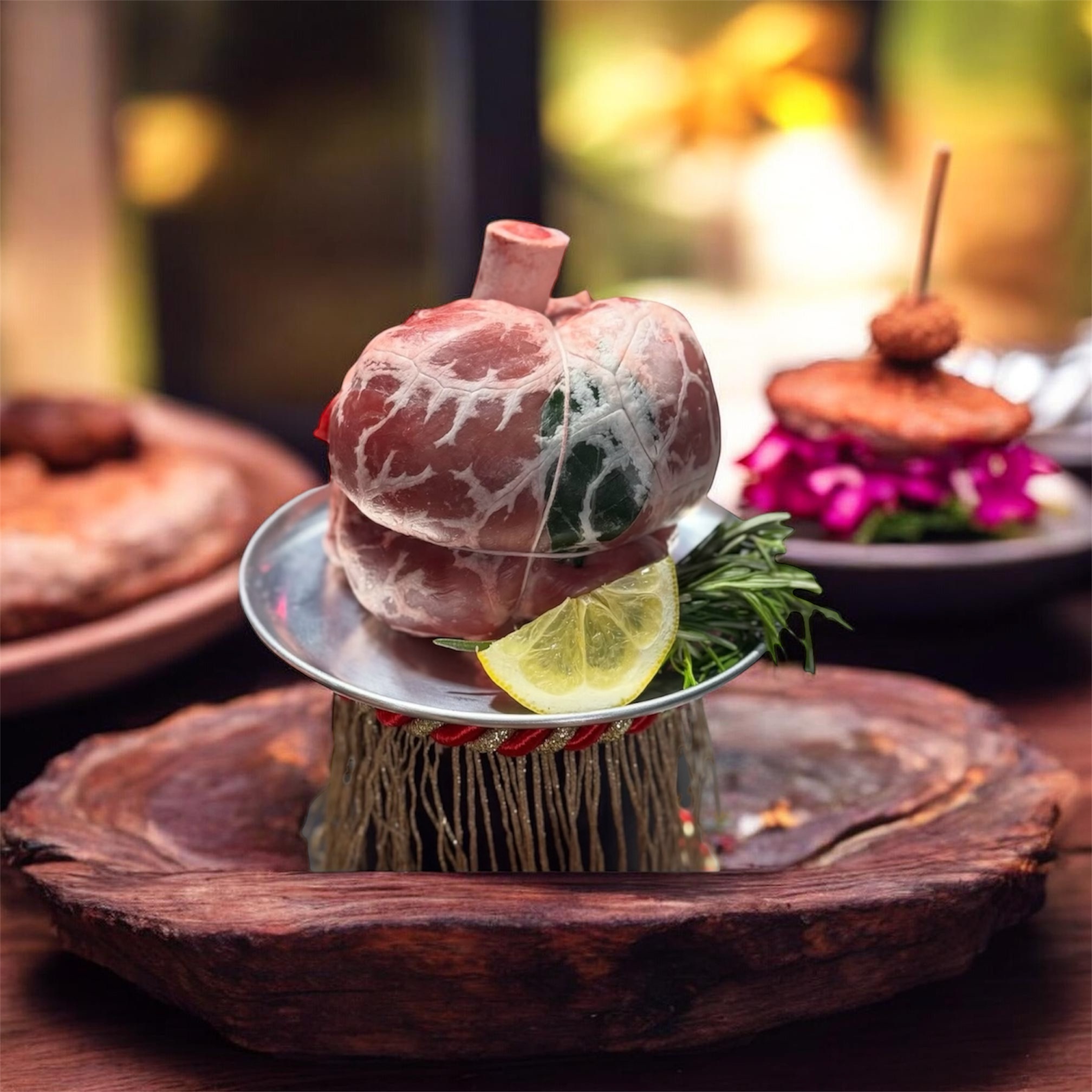
Image above Courtesy of WBC and made by Justin Wade - Lamb Knuckle Roast
Right now is a strong moment for butchers to lean into alternative and trending lamb cuts. Customers are looking for value, flexibility and ideas that make everyday cooking easier, while still delivering flavour and variety. Lamb fits that brief well.
As a butcher, you’re well placed to start conversations that help customers picture how different cuts can work across multiple meals and cuisines and guide them beyond their usual choices.
Mary-Jane Morse, Brand & Content Manager at Meat & Livestock Australia, says lamb’s appeal lies in how well it works across different flavours and styles of cooking.
“One of the fantastic things about lamb is it doesn’t carry the same religious or cultural restrictions as other proteins can, so there are endless cooking styles that can be applied,” she said. “With our changing demography, this opens up lots of opportunities for value-adding in terms of cuisines and flavours for lamb.”
Customers look for that quick and or easy meal solution, stir fry`s or a one pot slow cook are an excellent option that’s where lamb can have its place.
“Lamb takes on flavours really well,” Mary-Jane says. “It’s very adaptable through the different methods of cooking, whether that’s slow braising or grilling; and it can come to life through marinades, rubs or basting.”
Larger cuts, multiple uses
A lamb shoulder might look like a special‑occasion cut, but it’s actually one of the most practical week‑to‑week options you can buy. Cooked low and slow, it becomes tender, juicy, and incredibly versatile. Even better, one shoulder can feed a family for two or even three meals—saving both time and money.
Mary-Jane says this approach changes how people think about preparation and planning.
“Take a lamb shoulder, for example. You can braise it in a fairly neutral way, cooking once, and then have the opportunity to add an array of spices or styles for a second or third meal throughout the week.”
“Add different spices and some different sides and suddenly it’s a very different meal,” she says. “During the week, it makes meal preparation so much quicker because it’s already cooked.”
For butchers, this presents an opportunity to change perceptions around larger cuts. Customers can start to view them as a practical option for their busy household, rather than a special-occasion purchase.
Everyday lamb, global flavours
Alongside slow-cook cuts, quicker-cooking options such as, chops, cutlets and butterflied leg remain popular for weeknight meals – although suggesting more budget friendly alternatives, and ways to prepare them may drive uptake. Lamb’s flavour profile supports a wide range of cuisines, from Middle Eastern and Mediterranean through to Indian and Asian-inspired dishes.
This gives butchers scope to guide customers with simple suggestions around marinades, spice blends and cooking methods. Small prompts at the counter can help customers see more ways to use familiar cuts, such as slow-cooking lamb shanks for dinner, then shredding the remaining meat into a rich pasta sauce, pie filling or for lighter options like salad for the following night.
What this means at the counter
These trends reinforce the butcher’s role as a source of practical advice. customers value the butchers advice that helps them save time, reduce waste and get more from each purchase.
By focusing on versatility and use-across-the-week cooking, butchers can help customers make confident choices and build stronger connections with lamb as an everyday protein.